Choosing Hardwoods for Your Project
Choosing hardwoods for your custom furniture in Milwaukee? Here's a guide to walnut, cherry, oak, and maple—how they behave in fine furniture, and which to pick for your next project.

Written by
Trey Thorne, Goldthorne Studio
Custom Furniture Maker, Woodworking Teacher, Owner, Milwaukee
Wood Classifications
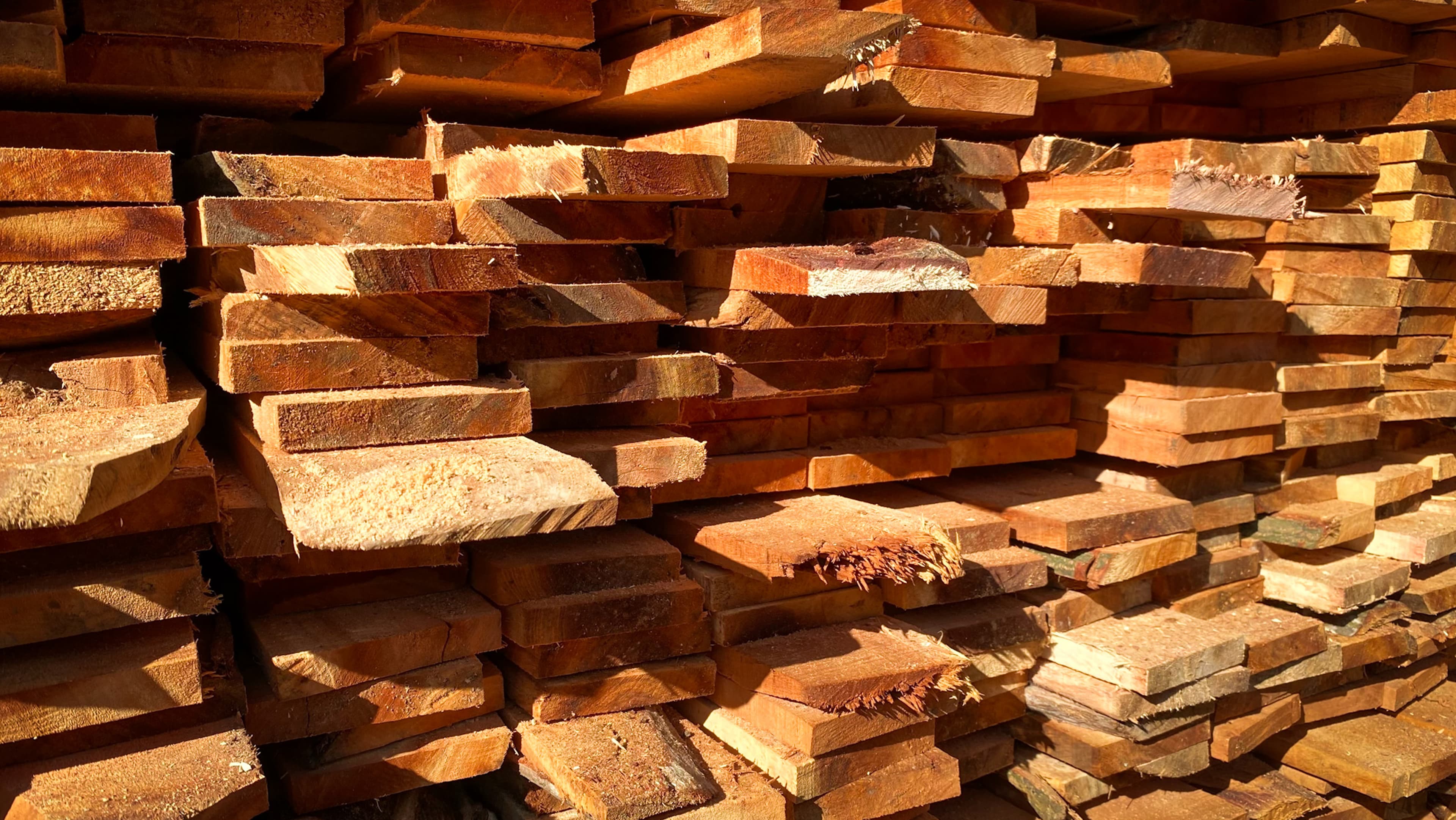
When it comes to wood, there are two classifications: Hardwood and Softwood. Despite the name, it doesn't mean that hardwoods are always harder than softwoods. This classification really separates the woods based on the tree from which they're milled. Hardwoods come from Deciduous Trees, while Softwoods come from Coniferous Trees.
In general, though, hardwoods are harder than softwoods. The hardness of wood is calculated using the Janka unit, which is determined by the amount of force required to embed a 11.28 mm-diameter steel ball half way into a sample of wood.
While this can be helpful when comparing woods, you can rest assured that nearly all hardwoods domestic to the United States, Wisconsin, and even Milwaukee are plenty hard enough for your next piece of furniture. Even softwoods can be plenty hard enough, depending on the use case for the furniture.
Domestic Hardwoods
Walnut, cherry, oak, and maple are the workhorses of fine furniture in the Midwest. Each has its own color, grain, and character. These are readily available in Milwaukee. Any of these are great choices for your next furniture project. Let's talk about each!
Walnut
Description & Characteristics
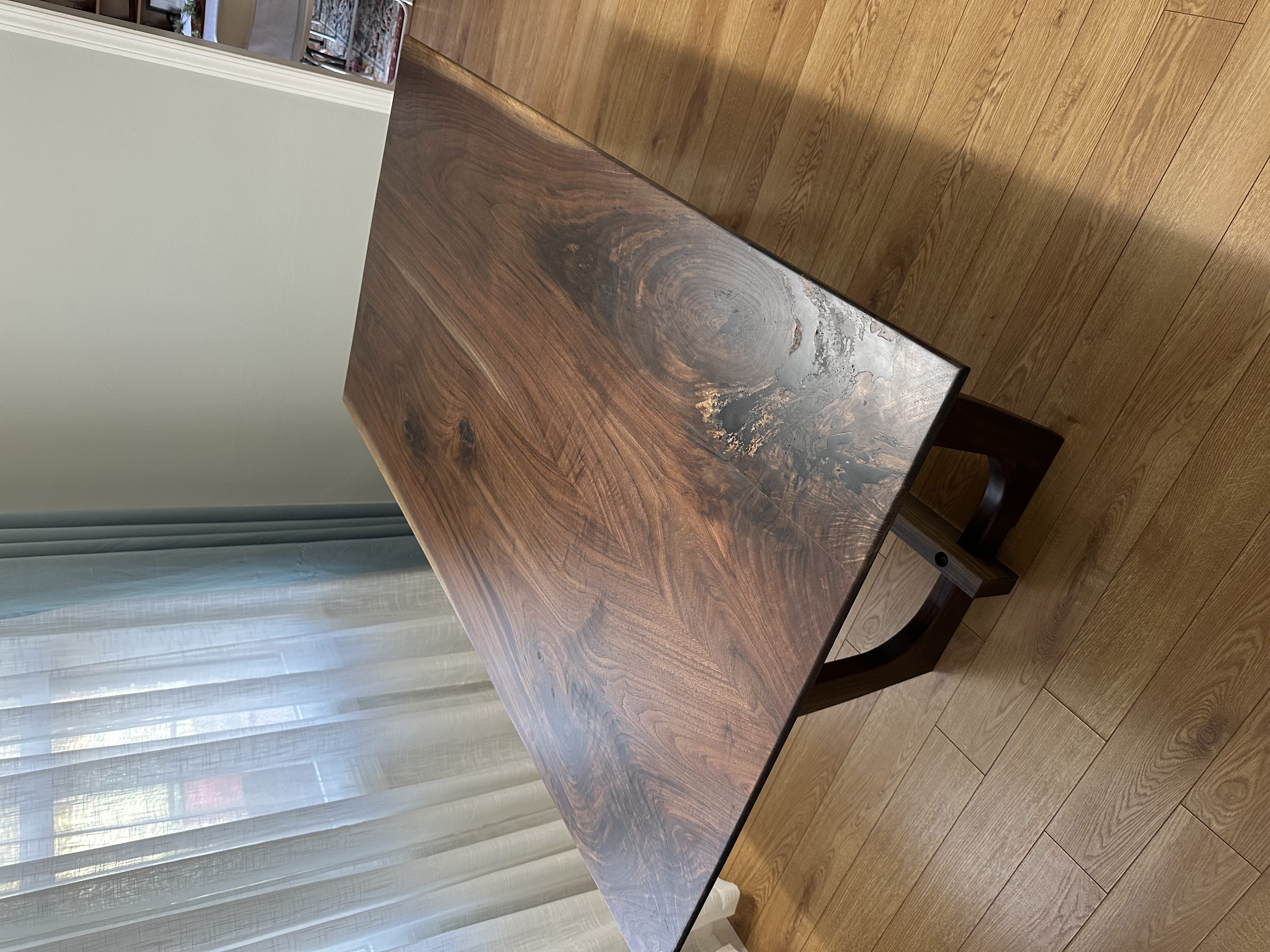
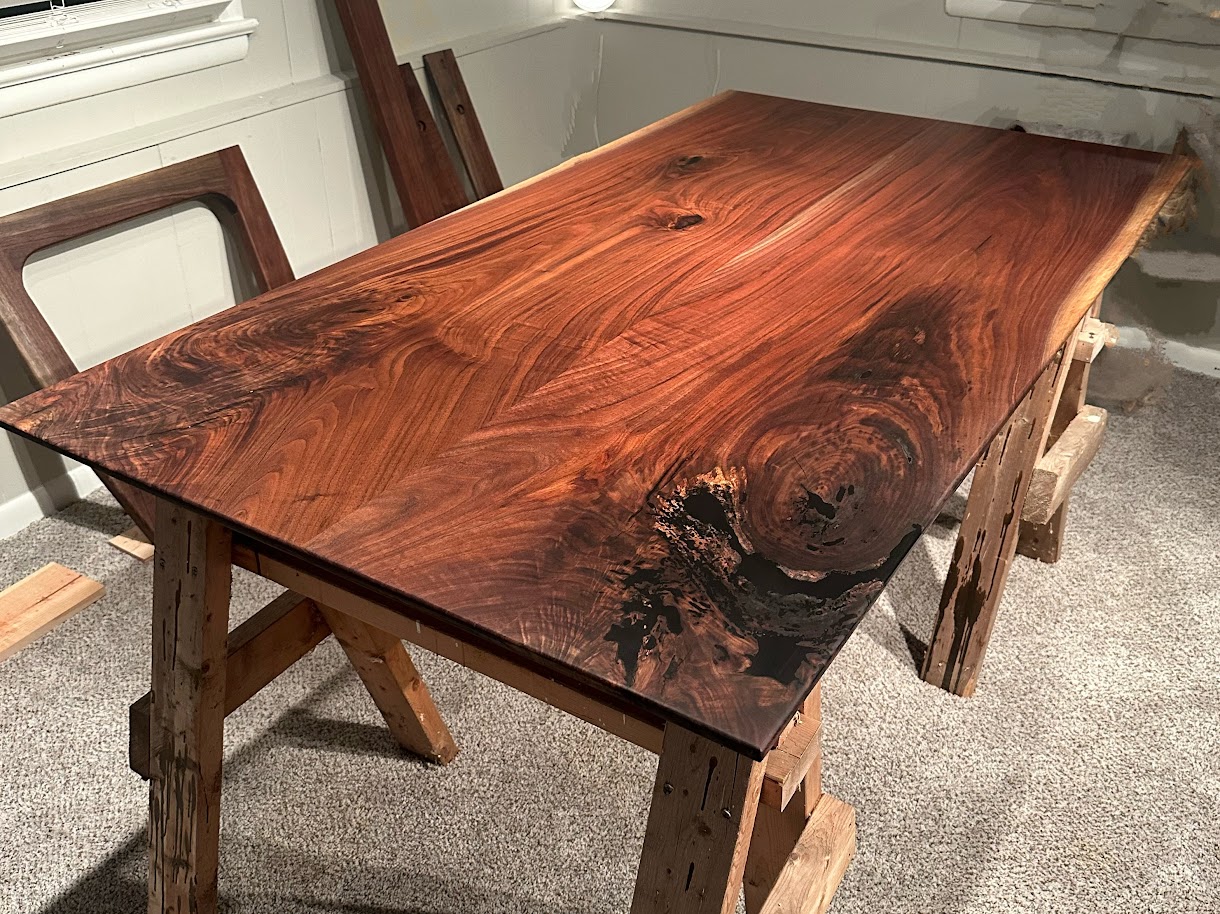
Walnut is rich and dark, with straight grain that machines and hand-tools well. It's a classic for dining tables and casework. Below are some example of walnut grain from the same project, a table I made. You can see a lot of variance, notably when the light is different. But in general, it's a deep brown, or reddish brown heartwood, and pale brown sapwood. Walnut is rather hard, making it very durable. It's a pleasure to work with, but most importantly it's lovely to look at.
Aging
As walnut ages in your home, it will lighten up. This is rather standard for most woods as they age. I've even seen walnut turn to a light blonde color after years of extreme sun exposure. This was so suprising I could barely believe it was walnut. But rest assured, regular, in-home, Wisconsin sun exposure will keep your walnut furniture a love, rich brown for decades.
Pricing
Because walnut is exquisitely beautiful, and walnut trees a very slow growing, it tends to be expensive for a domestic species. Nonetheless, if this rich, beautiful color is what you're after, then it can be worth it. Especially, if you want a custom piece, hand built in Milwaukee, that will last you a lifetime and more.
Oak
Description & Characteristics
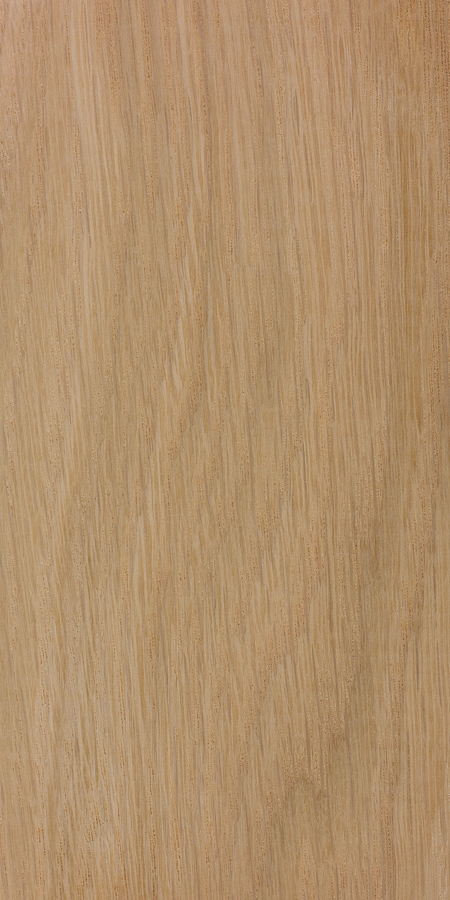
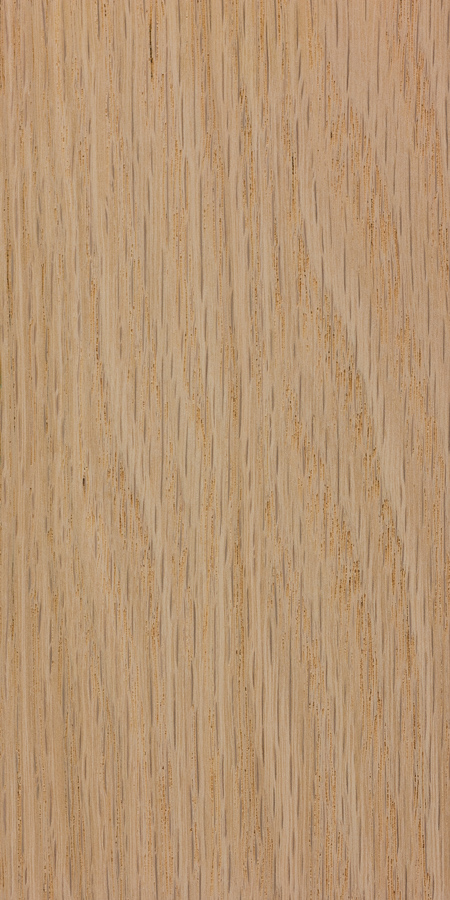
Oak comes in two main variants. Red Oak and White Oak. If you're like me, and you live on the East Side, or Shorewood, you can see oak in nearly every older home. The uses range from flooring to trim to fine furniture (not to mention various other uses such as ship building). It's an extremely durable wood. Roughly the same hardness as walnut, but with drastically different grain patterns, giving it a very distinct look.
While all woods can be milled in various orientations, oak is often sold plainsawn, rift sawn, or quartersawn. When oak is rift or quartersawn it is an extremely stable wood, meaning that it doesn't warp, cup, or move much at all. While this may not be a concern of yours while designing your dream custom furniture, it's all we woodworkers can think about!
Nonetheless, both red and white oak are suitable for beautiful, durable, custom furniture. Rift sawn white oak has gotten extremely popular as of late due to the clean, straight lines of the grain, and the beautiful, almost blonde color it becomes when applying finish. Red oak got a bit of a bad wrap because it was essentially ubiquitous in the 90s for kitchen cabinets, with a heavy, amber, polyurethane finish. But I assure you, it can be a beautiful wood, that's nearly indistiguishable from white oak, with the proper care and finish. It can be a great, affordable option when you want that lovely, classic oak look, without the high price tag of trendy, rift sawn white oak.
Aging
Similar to walnut, oak tends to lighten over time. Though, this isn't nearly as dramatic as some species. It happens so slowly as to largely go unnoticed.
Pricing
Oak prices vary dramatically from red to white, as well as, from the different saw orientations. For example, rift or quartersawn white oak will be the most expensive, while plainsawn red oak will be the more affordable option. In general, oak is less expensive than walnut, but more expensive than cherry or maple.
Cherry
Description & Characteristics
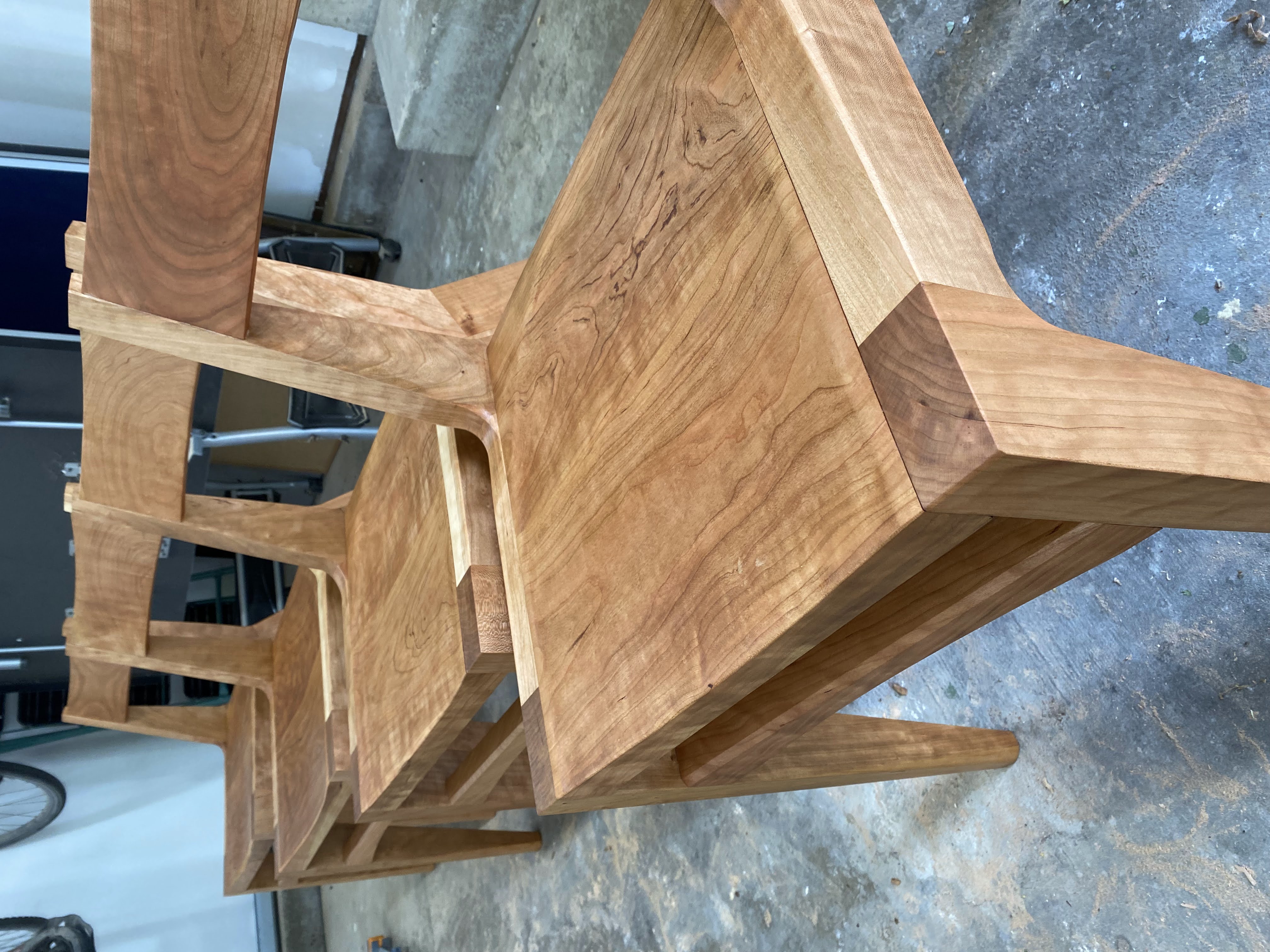
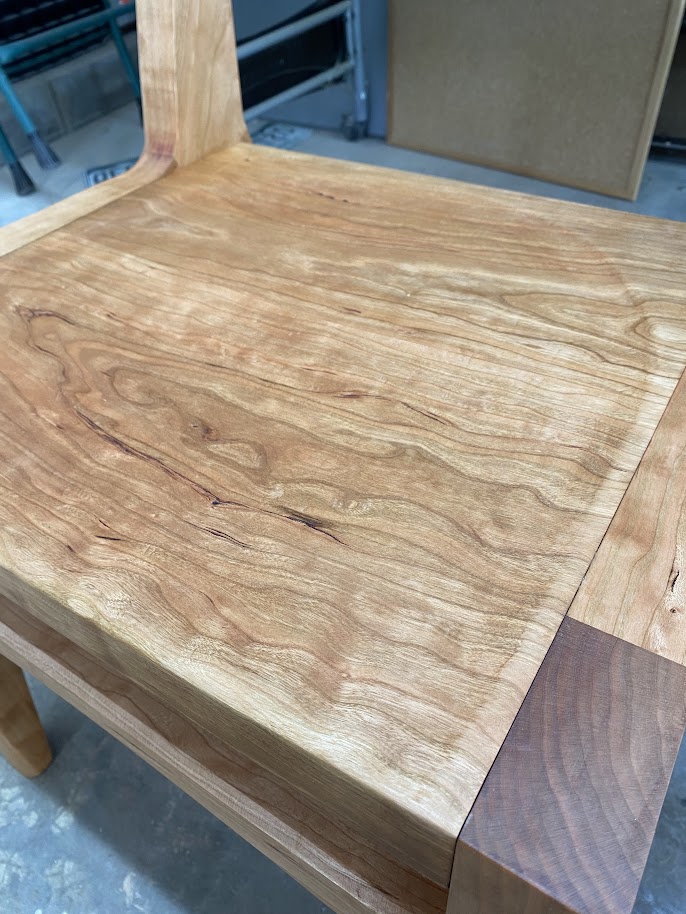
Cherry is a beautiful hardwood. In fact, it's my personal favorite. When cherry is freshly finished, it starts considerably light, almost pinkish, or redish brown. As it ages or exposed to sunlight, it darkens over time into a lovely reddish brown. It's a classic look, in my opinion. And it gets better every year.
Cherry is often said to be a medium hardwood. It's certainly softer than the others on this list, but it's plenty hard for most furniture projects, including dining room tables.
There's a drastic difference between the sapwood, and heartwood. The sapwood is similar to that of walnuts, a blonde-brown. It is often removed entirely during the build process so as not to distract from the heartwood, but can make for beautiful accents or visual interest.
Aging
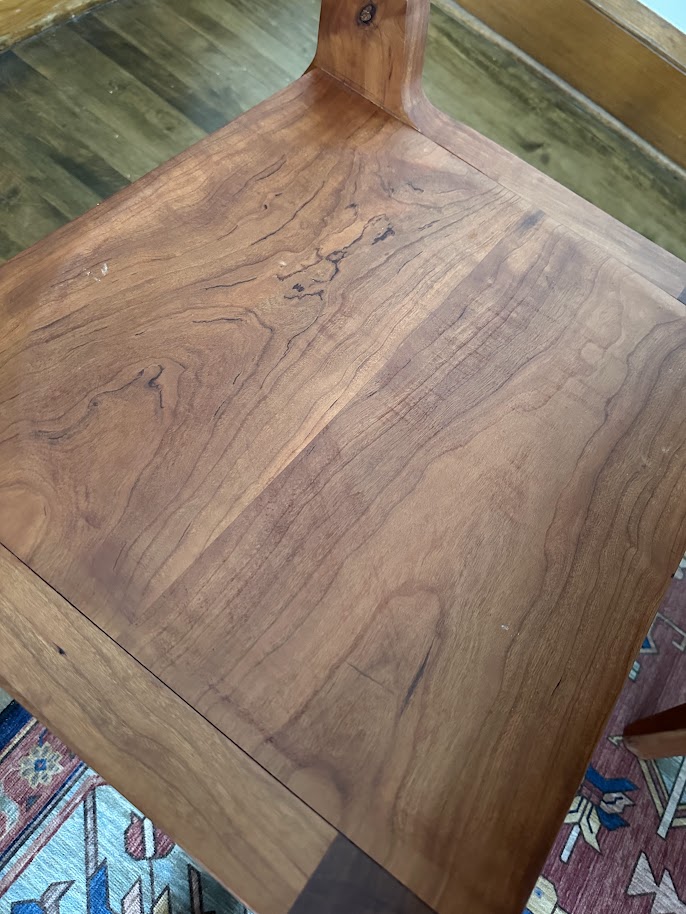
I've touched on this a little already, so I won't spend too much time, but cherry is different from other woods in that it darkens over time. When a piece of cherry furniture rolls off my workbench into its new home, it's as light as it will ever be. Over the years it darkens into a lovely reddish, brown. This look is a staple of mid-century modern furniture.
Pricing
Cherry is one of the more affordable domestics in the greater Milwaukee area. It doesn't always get the attention that walnut or oak does, so it can make for a great, affordable piece that only gets better with time.
Examples of freshly-finished cherry grain
A chair from the same set, after approximately 5 years - note how it darkened and ages beautifully
Maple
Desscription & Characteristics
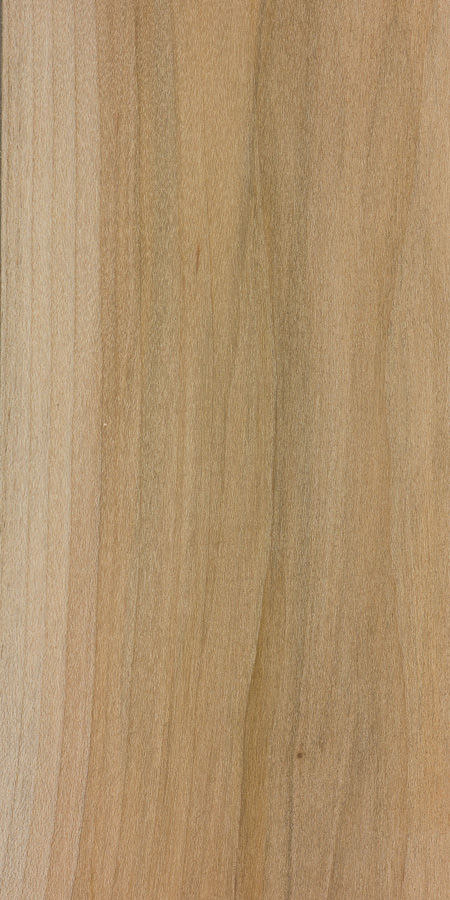
Maple trees aren't only good for syrup. They produce lovely, bright, lumber as well. It's usually broken up into two categories, soft and hard maple. Soft maple is only called that because it's in comparison to hard maple. And as the name indicates, hard maple is very hard. Butcher block counters, and flooring often comes from hard maple. Hard maple comes from a single species; however, soft maple encompasses quite a few different species of maples, and therefore the lumber can vary more.
Either hard or soft maple makes for durable furniture. Soft maple is around the same hardness as cherry, and hard maple is in the same range oak or walnut.
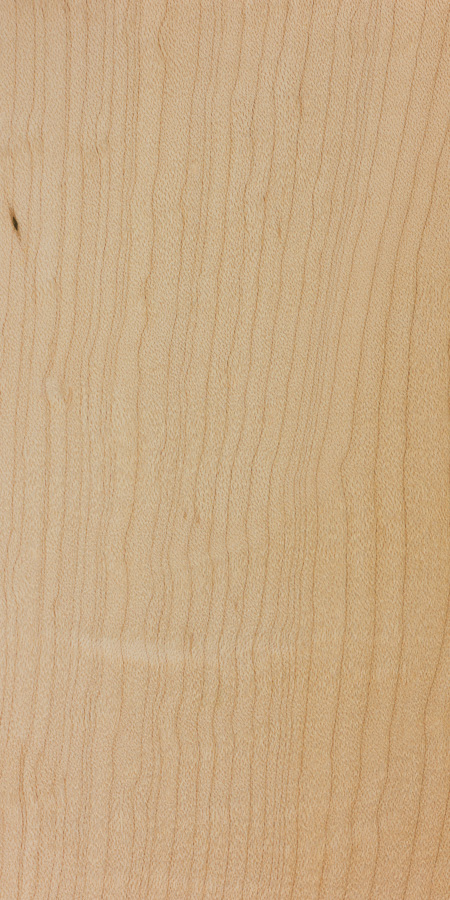
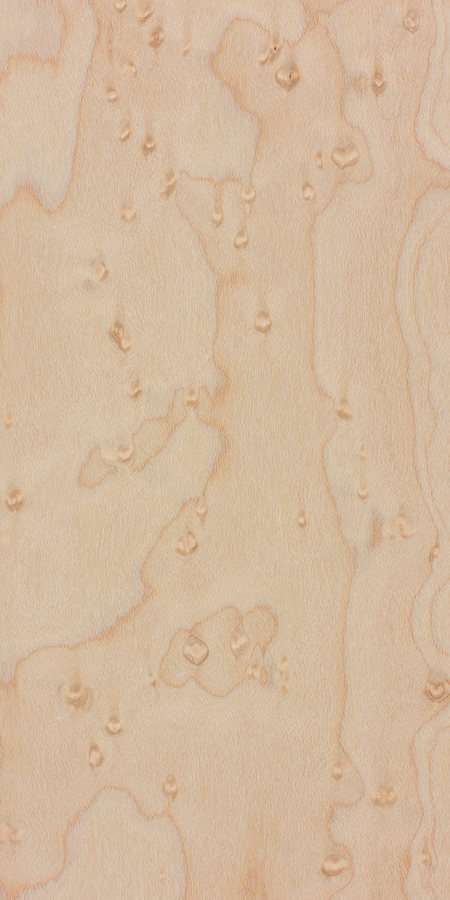
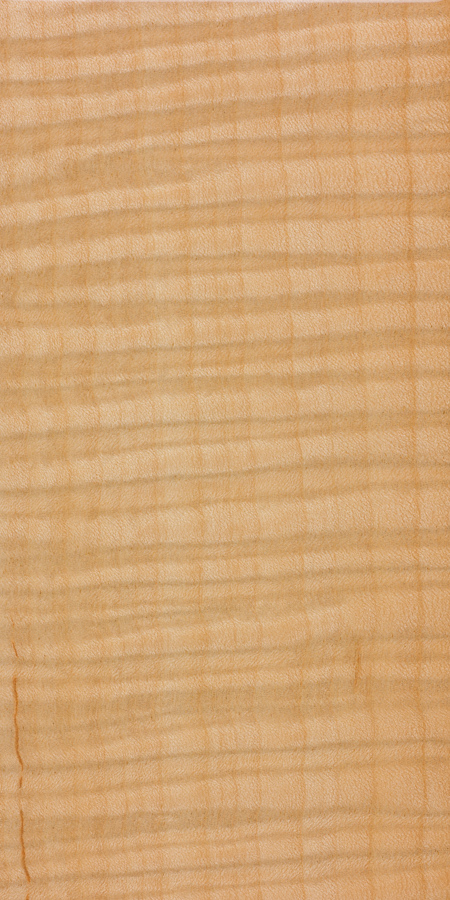
Maple can be curly, bird's-eye, or plain—versatile and light in color, often used for interiors and as a paint-grade option. The grain of maple can vary dramatically, but can be absolutely astonishing.
Aging
Maple doesn't show any major differences as it ages. Generally, you'll see older maple furniture with a yellow, or amber hue, but that's largly the finish that's aging, and not some much the lumber itself. If you want a light, bright, warm piece, this is the lumber for you.
Pricing
Maple varies based on hard or soft variants, and can be sold with specifically-selected grain patterns, such as curly or birds-eye that affect the price. In general though, it doesn't ask the same prices as walnut, but hard maple can be a bit more pricey than cherry. Soft maple is usually around the same as cherry.
Plain Hard Maple
Bird's Eye Maple
Curly Maple, also known as fiddle back, or tiger maple
A species of soft maple
Others
The world of furniture-grade lumber is vast. And the types and species of tree is wild. These four are the usual go-to species, but if you have other ideas, we'd love to chat with you. As a woodworker, it's always a pleasure to work with new lumber species, and build beautiful furniture from them.
We source lumber from trusted suppliers and can help you choose the right species for your project. For more on why to choose custom furniture in the Milwaukee area, read why custom furniture in Milwaukee. Contact us to discuss your ideas.